What Is an Applicant Tracking System (ATS) and How Using ATS Data Can Improve Hiring Decisions
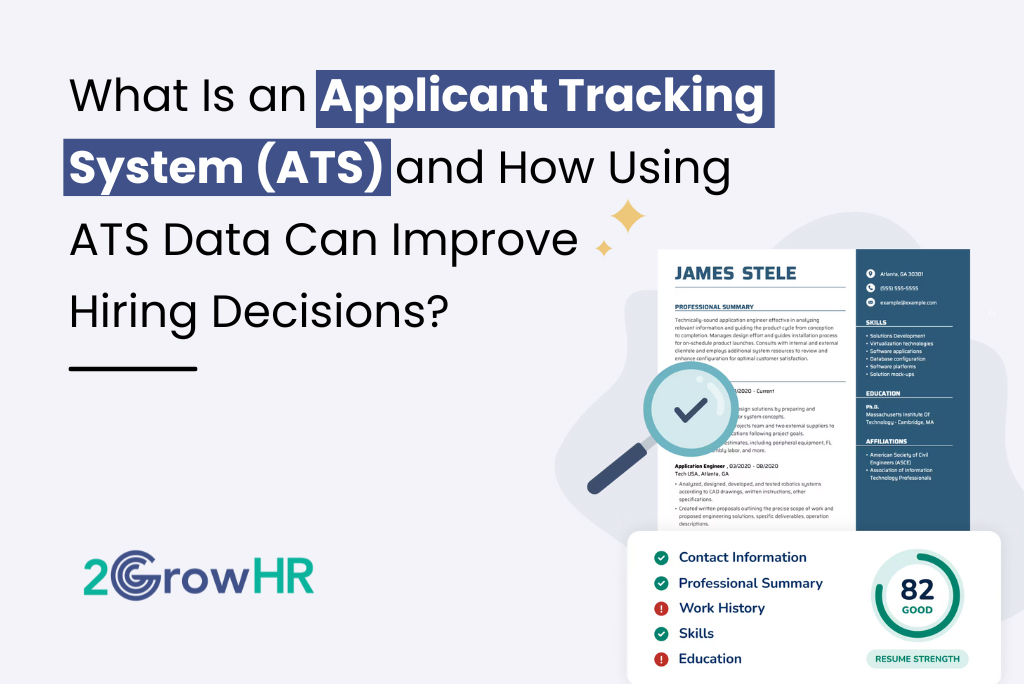
In the modern hiring landscape, speed and accuracy define success. Companies receive hundreds of applications for every open role, making it challenging for recruiters to identify the right candidates quickly. This is where an Applicant Tracking System (ATS) comes in.
An ATS is a digital tool that helps organizations manage the recruitment process—from posting job openings to tracking applicants and evaluating resumes. But beyond simplifying hiring workflows, ATS platforms also generate valuable data that can transform how businesses make hiring decisions.
Understanding What an ATS Does
An Applicant Tracking System automates the most time-consuming parts of recruitment. It collects applications, parses resumes, and allows HR teams to filter candidates using specific keywords, experience levels, or skills.
Recruiters can track where candidates are in the hiring funnel, monitor communication history, and generate reports on key hiring metrics like time-to-fill or source efficiency.
Essentially, an ATS acts as the command center for recruitment, ensuring every candidate interaction is recorded, analyzed, and accessible in one place.
Why ATS Data Matters
The real power of an ATS lies not just in managing applications but in the data it captures. Every job post, resume, and interview record contributes to a growing database of insights.
For example, analyzing ATS data can help HR teams answer important questions:
✨ Which sourcing channels deliver the highest-quality candidates?
✨ How long does it take to fill specific roles?
✨ Where do candidates typically drop off in the process?
✨ Which recruiters or hiring managers close roles faster?
By understanding these patterns, businesses can make informed decisions that save time, reduce costs, and improve candidate experience.
Making Data-Driven Hiring Decisions
Data-driven hiring uses measurable information-like recruitment metrics, conversion rates, and performance analytics-to improve outcomes.
ATS data helps recruiters identify trends and remove inefficiencies. For instance, if data shows that candidates from certain job boards consistently perform better, HR can allocate more budget there. Similarly, if the system highlights delays in specific interview stages, the process can be redesigned for better speed and communication.
This kind of evidence-based optimization leads to smarter, fairer, and more effective hiring decisions.
The Link Between ATS Insights and Broader HR Strategy
While an ATS focuses on recruitment, the data it provides can benefit the entire HR ecosystem. When integrated or analyzed alongside other HR metrics-like onboarding success, retention rates, or performance reviews-ATS insights help companies understand how hiring choices impact long-term workforce quality.
This connection between recruitment data and broader HR analytics allows organizations to:
✨ Predict future hiring needs more accurately
✨ Identify skill gaps across departments
✨ Improve employee retention by analyzing hiring sources and performance links
✨ Strengthen workforce planning with real-time data
In short, using ATS insights is a stepping stone to building a more strategic, data-driven HR culture.
Turning ATS Data into Smarter HR Decisions
Applicant Tracking Systems have evolved from basic administrative tools to vital instruments that shape how organizations attract and retain talent. Even if your company doesn’t use an ATS directly, understanding how ATS data works can help you interpret recruitment trends, benchmark your hiring efficiency, and make more informed HR decisions.
By leveraging insights from ATS platforms-such as candidate sourcing, application drop-offs, or time-to-hire patterns-businesses can refine their recruitment strategy, streamline communication, and align talent acquisition with business objectives.
At 2GrowHR, we believe that smarter decisions start with the right information. From workforce management to performance tracking, adopting a data-driven approach across HR functions helps organizations build stronger, more resilient teams for the future.
Blog Categories

Management System
Easily post the job vacancies in various recruiting channels, source the potential candidates, and quickly hire skilled personnel with our 2GrowHR application. Yes! Integrate all of the recruitment portals with our 2GrowHR software, post job openings, collect all of the resumes, sort.
Book a Demo Now